Solana network congestion: why SOL trades at $75.47 amid failed transactions
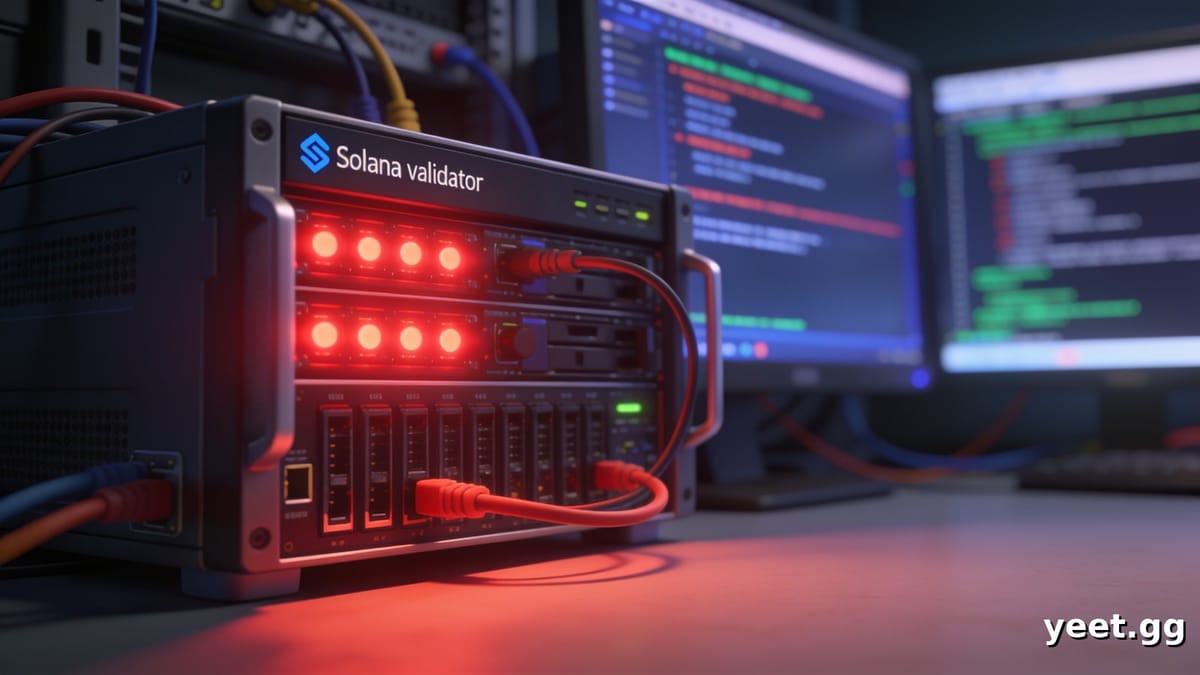
Solana trades at $75.47 today, down 0.16% in 24 hours, but the price drop tells only part of the story. Traders posting on Discord and Twitter report transaction failures and pending statuses that never confirm, even as the network processes over 3,000 transactions per second. The congestion stems from a combination of memecoin launches, high-frequency trading bots, and the recent migration of several Solana-based DeFi protocols to a new block production schedule. When the leader node fails to produce a block on time, the entire network pauses, leaving users staring at "Processing" screens while the price sits at $75.47. This isn't the first time Solana has hit this wall, similar spikes in 2023 and 2024 caused brief outages, but the current episode coincides with a broader altcoin rotation away from high-throughput chains.
How Solana’s proof-of-history engine handles peak load
Solana’s proof-of-history mechanism timestamps transactions before they reach consensus, which theoretically allows the network to process 65,000 transactions per second. In practice, the clock syncs only as fast as the hardware permits, and when multiple leader nodes miss their slots, the clock drifts. During the most recent spike, 12 of 19 active leaders missed their scheduled block production windows, causing a backlog that took over 45 minutes to clear. The bankrun fee market, which normally prioritizes transactions by gas price, instead queues transactions by arrival time at the leader, meaning a $0.0001 SOL fee can sit behind thousands of bot-ordered trades. Users watching SOL hover at $75.47 are effectively paying for block space that may not arrive for several cycles.
Why traders are moving liquidity to Ethereum and Arbitrum
While SOL sits at $75.47, Ethereum holds at $1,877.26 and Arbitrum at $0.0743, both showing smaller percentage losses. The shift isn't random, traders fleeing Solana congestion are redeploying capital to L2s that offer deterministic finality. A single Ethereum transaction costs between $5 and $15 in gas, but it finalizes in under 15 minutes, compared to the uncertain wait on Solana. Several Solana-based AMMs have temporarily paused trading, directing users to Ethereum-based alternatives like Uniswap, where UNI trades at $3.20 down 9.21%. The migration cost is real: bridging $1,000 from Solana to Ethereum costs roughly $12 in bridge fees, but the trade-off is execution certainty. For high-frequency strategies, the $75.47 SOL price becomes secondary to whether an order actually fills.
Is SOL recovery tied to network upgrades or price action
Solana’s roadmap includes a vote-activated upgrade called "Firedancer," a client rewrite intended to reduce block production latency from 400 milliseconds to under 100 milliseconds. The upgrade is currently in beta on a separate cluster, and mainnet deployment carries risk, if the new client introduces a consensus bug, the network could halt entirely. Historically, SOL has recovered within 72 hours after congestion events, but only when the underlying load subsides. Until Firedancer reaches mainnet, the $75.47 price level may act as a floor rather than a breakout point, as traders wait on the sidelines rather than risk pending transactions. The network’s health depends on whether leader node operators upgrade their hardware before the next memecoin season begins.
FAQ
Why do my Solana transactions keep failing?
Transaction failures on Solana usually occur when the network pauses block production due to leader node misses. During these pauses, transactions remain pending and never confirm, even with high fees. The current congestion stems from high bot activity and memecoin launches overwhelming the leader schedule.
Is Solana safer than Ethereum during high traffic?
No. Solana’s proof-of-history design means the clock can drift if leaders miss slots, causing network-wide pauses. Ethereum’s gas market adjusts fees to prioritize urgent transactions, but finality takes longer. During the current spike, SOL at $75.47 has seen more failed transactions than ETH at $1,877.26.
Should I move my SOL to Ethereum or Arbitrum?
If you need guaranteed transaction finality, bridging to Ethereum or Arbitrum is the safer option. A bridge fee of ~$12 ensures your trade executes, whereas staying on Solana during congestion risks pending status. For long-term holding, staying on Solana avoids bridge costs, but active traders should consider the L2 alternative.